Reviewed · TOURS
Rastafari Indigenous Village Tour
The most memorable part of this six-hour outing is the small stream crossing into the Rastafari Indigenous Village. You leave the vehicle behind, step into a local community, and spend time learning about Rastafari customs, music, teachings, and the use of medicinal herbs. Queen I and her brother help lead the visit, with a 30-minute Congo drumming and chanting session as its musical center.
I like the private format, since you can set the pace with your own group, and I like the mix of conversation, hands-on movement, fresh fruit, juice, and music. The main caution is practical: you must walk across the stream, so bring water shoes or sandals that dry quickly. The crossing may be easy, but it is not the place for delicate footwear.
In This Review
- Key details before you book
- Crossing the stream into Rastafari country
- Learning from Queen I and her family
- A slow walk through the village
- Fresh fruit, juice, and local food
- Congo drumming and chanting for 30 minutes
- Handmade soaps, facial products, and souvenirs
- Why the private format changes the day
- Pickup, timing, and weather concerns
- Who will enjoy this experience most
- Practical packing advice for six hours
- Is the Rastafari Indigenous Village Tour worth booking?
- FAQ
- How long does the Rastafari Indigenous Village Tour last?
- Is hotel transportation included?
- Do I need water shoes?
- Is this a private tour?
- What refreshments are provided?
- What happens if bad weather cancels the tour?
Key details before you book
- A stream crossing begins the village visit: Wear water shoes or secure sandals that can get wet.
- Queen I and her brother help tell the story: Expect personal teaching about Rastafari customs, origins, herbs, and music.
- Thirty minutes of Congo drumming and chanting: This is a live cultural presentation, not background music during a meal.
- The tour is private: Your group controls the pace, which helps if you want time for questions or quiet reflection.
- Fruit and fresh juice are part of the welcome: These simple refreshments are useful in Jamaica’s heat.
- Hotel pickup, transport, entry, and return are included: The $250 per person price covers the main moving parts of the day.
Crossing the stream into Rastafari country
From Montego Bay, you travel in an air-conditioned vehicle with private transportation arranged for your group. The full outing lasts about six hours, with roughly four hours set aside for the village visit itself. That leaves time for the drive, pickup, and return without making the day feel like a rushed stop between larger attractions.
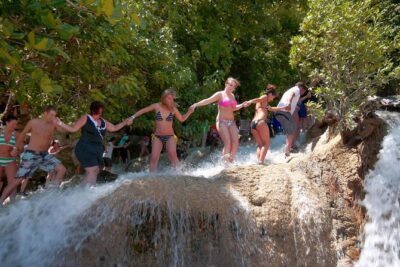
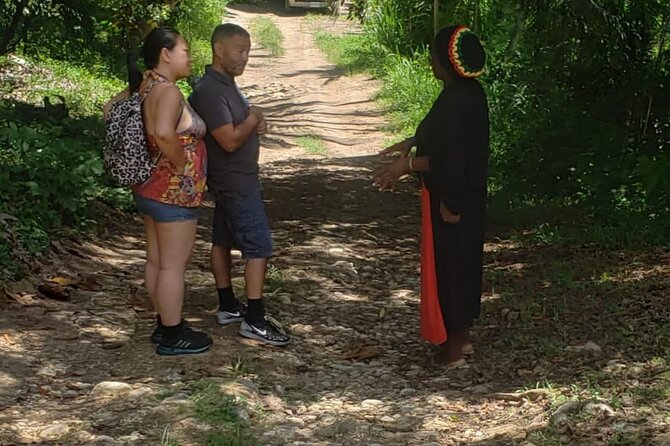
The arrival has a useful sense of ceremony. You do not simply step off a bus beside a ticket booth. You walk across a small stream to reach the village, a detail that makes the setting feel separate from the usual sightseeing route. It also gives you the first practical lesson of the day: pack for contact with water.
Water shoes are the safest choice. Sandals can work if they stay firmly on your feet and dry quickly. Avoid flip-flops that can slip or float away. The tour information says most people can take part, but anyone who finds uneven or wet footing difficult should consider this crossing before booking.
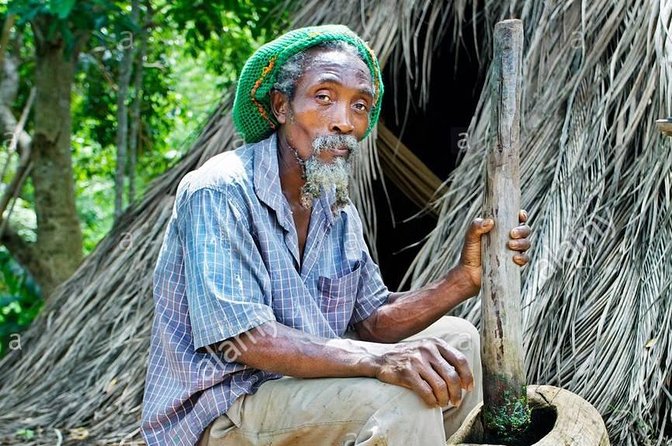
Once you arrive, local guides meet you and begin explaining the village and its customs. The tone is personal rather than formal. You are not just looking at buildings or taking photographs. You are given information about the Rastafari movement, its origins, beliefs, music, and daily practices.
A few more Montego Bay half-days to weigh up
- Club Mobay Sangster Airport VIP Lounge with Priority Entry
★ 4.5 · 10,510 reviews - Rastafari Cultural ATV Community Experience from Montego Bay
★ 5.0 · 1,959 reviews - Jamaica All-Access Adventure Pass at Ocean Outpost
★ 4.5 · 1,193 reviews
Learning from Queen I and her family
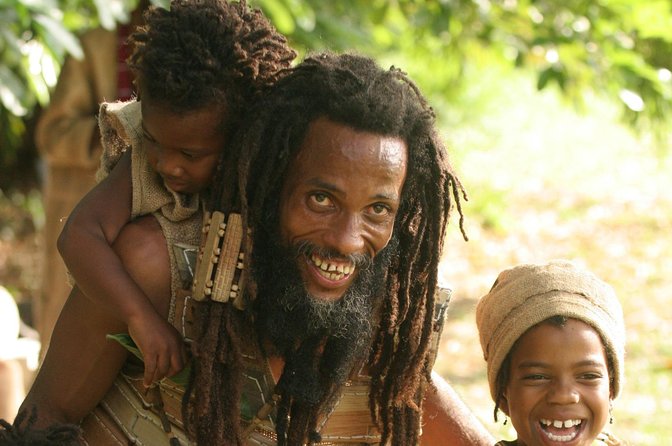
Queen I and her brother are named guides connected with the visit, and their role gives the tour a human face. You can ask questions as you go, which is one of the strongest reasons to choose a private outing instead of a large group stop. If you want to spend more time on the movement’s origins, medicinal plants, or music, you have room to do that.
The teaching includes the use of herbs for medicinal purposes. That subject is especially useful because it links belief and culture with ordinary life. You learn not only what Rastafari represents as a movement, but also how plants and traditional knowledge fit into the community’s practices.
Keep an open mind about the structure. This is not a museum tour with numbered displays and a fixed script. The value comes from listening to local voices and following the conversation. Some people will love that relaxed approach. If you prefer a tightly timed presentation with dates, signs, and formal exhibits, this may feel less polished.
I would plan to ask clear questions. You might ask about the origins of Rastafari, the role of music, the meaning of the village’s customs, or how herbs are used. The supplied details confirm that the guides share substantial teaching, but the exact emphasis can change with your interests and the flow of the visit.
A slow walk through the village
The village portion lasts about four hours, which is enough time to move at an unhurried pace. The private setup matters here. You do not have to keep up with a large party, and your guide can give your group more space for questions, conversation, or quiet observation.
A walk through the village is also a better fit for this subject than a quick lecture in a hotel. You are seeing where local Rastafarians live and work, and you can connect the explanations with the surroundings. The experience is built around community contact, not a short photo opportunity.
One feature worth noting is the meditative labyrinth. Walking it gives the day a calmer pause after the arrival and teaching. You can move through it at your own speed, treating it as a reflective activity rather than another attraction to check off.
The labyrinth will appeal most to people who enjoy thoughtful, low-key experiences. If your ideal excursion involves constant action, this section may feel slow. That is not a flaw, but it is an important match issue. The tour asks you to listen, walk, and take in the place rather than race from one activity to another.
Fresh fruit, juice, and local food
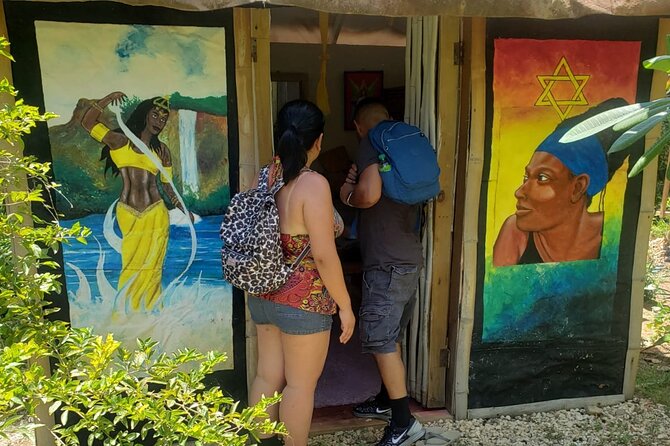
Fresh fruit and fruit juice are available during the village visit. In Jamaica’s warm weather, this is more than a pleasant extra. It gives you a chance to cool down and reset between the walk, conversation, and music.
The refreshments also fit the setting. You are not being handed a generic packaged snack at a roadside stop. The emphasis is on fresh produce and a local welcome. The experience has also included a meal of village food, described as superb, though the formal inclusions specifically list fruit and fresh fruit juice rather than a full meal.
For that reason, I would not book this as a food tour. Think of the fruit and juice as part of the welcome, with the possibility of additional local food depending on the day and what is arranged. If you have dietary restrictions, ask the operator before departure because no specific menu is provided.
Bring your own water as well. Fresh juice is refreshing, but the tour lasts several hours and includes walking. A bottle in your day bag is a sensible choice.
Same corner of the island, a completely different day out:
- Blue Hole, Secret Falls, and Dunn’s River Falls Combo Day-Trip
★ 4.5 · 973 reviews - Montego Bay Hotels Airport Private Transfer
★ 5.0 · 933 reviews - Jamaica Martha Brae Bamboo Rafting with Bus Transportation
★ 5.0 · 559 reviews - Jamaica Bamboo Rafting Experience with Lime Stone Massage
★ 4.5 · 549 reviews
Congo drumming and chanting for 30 minutes
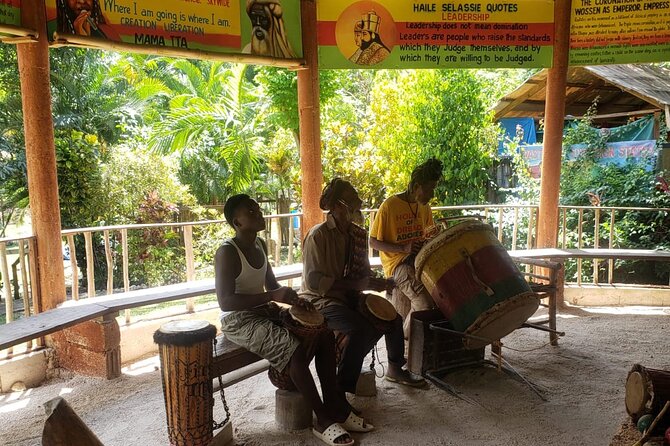
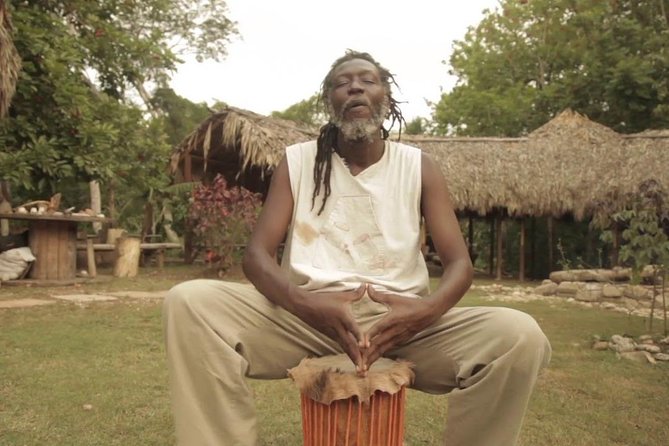
The musical highlight is about 30 minutes of Congo drumming and chanting. This is a focused performance within the wider cultural visit, not music playing while you browse souvenirs.
That distinction matters. The rhythms and voices give you a direct connection to the role music plays in Rastafari life and teaching. After hearing the background from the guides, you have a chance to experience part of the culture through sound and performance.
I would treat this as a central part of the tour rather than a bonus. The session gives the day a clear shape: arrival and teaching, time in the village, reflection in the labyrinth, refreshments, then a strong musical presentation before the final shopping stop.
The performance may not suit everyone equally. If you want a private, silent walk through nature, the drumming and chanting will be more social and energetic than the labyrinth. If you enjoy live cultural music, it adds a memorable human element that a standard history talk cannot provide.
Handmade soaps, facial products, and souvenirs
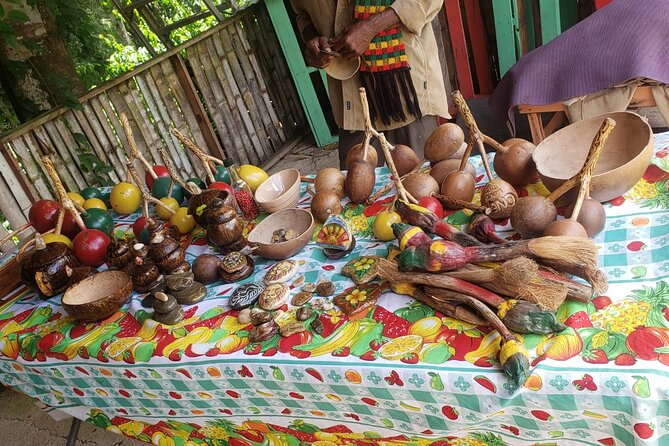
Near the end, you are shown facial products and souvenirs made in the village. The selection includes handmade soap and small trinkets. Buying is optional, and you should feel free to browse without treating the shopping stop as an obligation.
Still, this is one place where your spending can have a clear local connection. A handmade soap purchase is different from buying a mass-produced item at an airport shop. It can also be a practical reminder of the herb and plant teachings discussed earlier.
The right attitude is simple: buy only what you want, but understand that a purchase or tip can show appreciation for the people who hosted and taught you. The visit is not just a performance for visitors. It is also a chance to support products made at the village.
If shopping is not your interest, keep the stop short and use the remaining time for questions. Since the tour is private, you should have more control over how long you spend looking at the products.
Why the private format changes the day
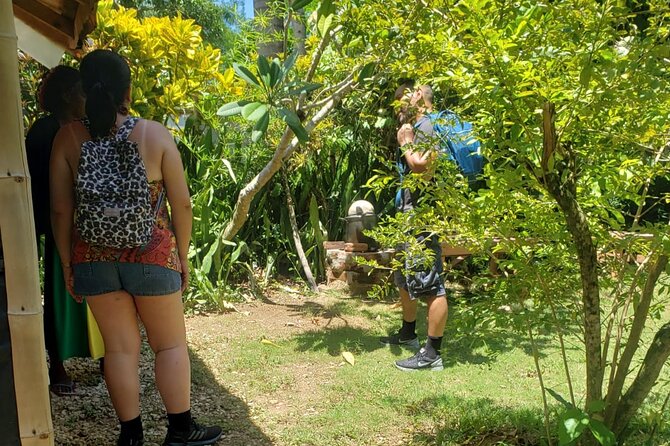
At $250 per person, this is not a bargain outing for someone seeking the cheapest way to fill an afternoon. The price makes more sense if you value private transport, hotel pickup and drop-off, admission, a small-group setting, and several hours with local guides.
You are paying for more than entry to a village. The package includes an air-conditioned vehicle, private transportation, the village admission fee, entry, and return to your hotel. Group discounts may also be available, so the final value can improve if you are traveling with several people.
The private format is especially useful for families, couples, and small groups with different interests. One person can ask about herbs, another can focus on music, and another can take more time with the labyrinth. You are not tied to the interests or pace of strangers.
The price is harder to justify if you only want a short cultural stop or have limited time in Montego Bay. Six hours is a substantial part of your day. You should choose this experience because the village, teaching, music, and direct contact matter to you, not simply because pickup is convenient.
Pickup, timing, and weather concerns
Hotel pickup and drop-off are included, which removes the need to arrange separate transport from Montego Bay. The air-conditioned vehicle is welcome after time outdoors, especially on a warm day.
Confirmation is provided when you book. The activity requires good weather, since the stream crossing and outdoor parts are important to the visit. If poor weather forces cancellation, you can choose another date or receive a full refund.
The cancellation rule is straightforward but worth noting. Cancel at least 24 hours before the local start time for a full refund. Cancellations or changes made within 24 hours are not accepted for a refund.
I would avoid scheduling this on the last possible day of your holiday if your plans are tight. A weather delay may be handled with a new date or refund, but a new date is not useful if you fly home immediately afterward.
Who will enjoy this experience most
I would recommend this tour to you if you want cultural contact, local teaching, music, and a relaxed pace. It suits people who like asking questions and prefer a small private outing to a large commercial attraction.
It is also a good match if you have already seen beaches and resort areas around Montego Bay and want a different view of Jamaica. The focus here is on Rastafari life, community customs, medicinal herbs, music, and spiritual reflection.
Families can take part because most people are able to participate, though parents should prepare children for the stream crossing and several hours of listening. Older visitors should consider their comfort with wet footing and walking before booking.
You may want to skip it if your group dislikes crossing water, prefers a packed schedule, or wants a formal museum-style presentation. The experience is built around local guides and conversation, so your enjoyment depends partly on your willingness to listen and engage.
Practical packing advice for six hours
Keep your packing simple:
- Water shoes or secure sandals that can get wet
- A bottle of drinking water
- Comfortable clothing for walking
- Sun protection
- Some room in your bag for handmade soap or other small purchases
The required footwear is the one detail you should not ignore. The stream is small, but you need to cross it to reach the village. Dry shoes will make the rest of the day more comfortable.
You should also bring a curious attitude. The strongest parts of the visit are the teaching, questions, music, and personal contact. A camera may record the setting, but it will not replace listening to Queen I and the other local guides.
Is the Rastafari Indigenous Village Tour worth booking?
Book it if you want a private, culture-focused day near Montego Bay and value time with local guides more than a low price. The combination of Rastafari teachings, medicinal herb information, the labyrinth, fresh fruit and juice, handmade products, and Congo drumming gives the six-hour visit a clear purpose.
The main drawbacks are the $250 per person cost, the need to cross a stream, and the slower pace. Those are fair trade-offs for a private experience, but only if the subject interests you.
For the best fit, bring water shoes, ask questions, allow the full half-day, and leave room for the music and conversation. If that sounds like your kind of Jamaica, this is a thoughtful choice.
FAQ
How long does the Rastafari Indigenous Village Tour last?
The full experience lasts approximately six hours, with about four hours spent at the Rastafari Indigenous Village.
Is hotel transportation included?
Yes. Hotel pickup and drop-off are included, along with an air-conditioned vehicle and private transportation.
Do I need water shoes?
Yes. You need to walk or hop across a small stream to reach the village, so water shoes or sandals that dry quickly are recommended.
Is this a private tour?
Yes. Only your group participates, and you can go at your own pace.
What refreshments are provided?
Fresh fruit and fresh fruit juice are available during the village visit.
What happens if bad weather cancels the tour?
If poor weather causes cancellation, you will be offered another date or a full refund. You can also cancel at least 24 hours before the start time for a full refund. Cancellations within 24 hours are not refundable.
Just added around Montego Bay
- From Montego Bay: Luminous Lagoon Night Tour★ 4.0 · 21 reviews
- Dunns River Falls Private Day Tour★ 5.0 · 4 reviews
- Bird Sanctuary and animal farm Day Tour★ 4.5 · 4 reviews
- Private Dolphin Cove Adventure★ 5.0 · 9 reviews
- Night-life Party Club 2727 pick up and drop off in Montego Bay★ 5.0 · 5 reviews
- Bamboo Rafting With foot massage★ 4.5 · 6 reviews
- Jamaica Luminous Lagoon Private Tour with Transportation★ 4.5 · 10 reviews
- Martha Brae Rafting Adventure★ 5.0 · 3 reviews
Tours, compared.
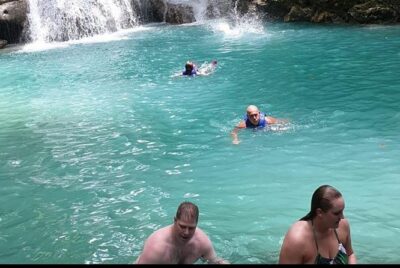
Blue Hole and Dunn’s River Falls Private Tour from Montego Bay
Read our review →

Catamaran Cruise Full Day Tour to Reef, Caves and Negril Beach
Read our review →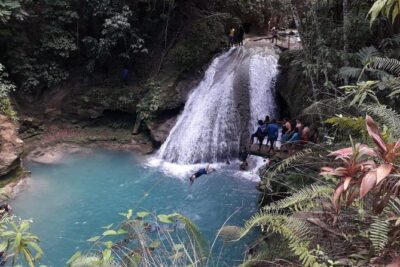
Ocho Rios Blue Hole and Dunn’s River Falls Tour
Read our review →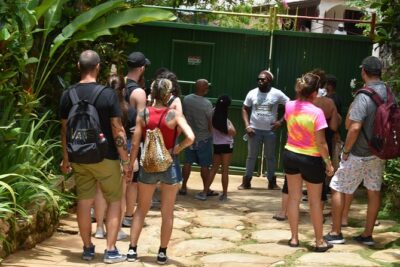
Bob Marley’s Nine Mile Admission and Guided Tour from Montego Bay
Read our review →
Explore Montego Bay Private Highlight Tour from Montego Bay
Read our review →
Blue Hole and Dunn’s River Falls Tour with Lunch and Cocktails at Reggae Hill
Read our review →